Bitcoin Development in 2025-2026
Bitcoin’s core development has shown strong momentum entering 2026:
Developer Activity Surge Bitcoin Core development rebounded in 2025, with contributor count growing from approximately 112 to 135 individuals, and mailing list activity increasing by 60% from the previous year Buffalo News. Developers modified approximately 285,000 lines of code in 2025 Buffalo News, demonstrating robust ongoing development.
Major Technical Updates
- Bitcoin Core v30.0 (October 2025): This major release increased the OP_RETURN data limit from 80 bytes to nearly 4 MB per output, allowing for more robust data anchoring like document timestamps directly on-chain Buffalo News
- Cluster Mempool (Expected Q1 2026): This upgrade will replace the current linear transaction pool model with a clustered approach, where transactions are grouped by fee dependency, improving fee estimation and block construction Buffalo News
- Quantum Resistance Research: While expert estimates suggest a quantum computer powerful enough to break Bitcoin’s cryptography is unlikely before 2030 at the earliest, research on quantum risk and community preparedness efforts will likely accelerate in 2026 Buffalo News
Institutional Integration Grayscale expects bipartisan crypto market structure legislation to become U.S. law in 2026, which will bring deeper integration between public blockchains and traditional finance Buffalo News. US spot Bitcoin ETFs recorded net inflows in seven months of 2025, accumulating over $22.4 billion between January and November WGRZ.
Why Users Choose Alternative Coins (Altcoins)
Despite Bitcoin’s dominance, users select altcoins for several compelling reasons:
1. Speed and Transaction Costs
Some altcoins are designed for faster and cheaper transfers compared to Bitcoin, allowing more transactions per second Patch. For example, XRP settles transactions within 3-5 seconds and reduces transaction costs significantly compared to Bitcoin Patch.
2. Smart Contract Functionality
Ethereum was first conceived in 2013 to help provide developers the means to build decentralized apps using smart contracts WTNH. Other altcoins like Cardano and Polkadot provide alternative smart contract environments, often claiming improved security and scalability over Ethereum WTNH.com.
3. Enhanced Privacy Features
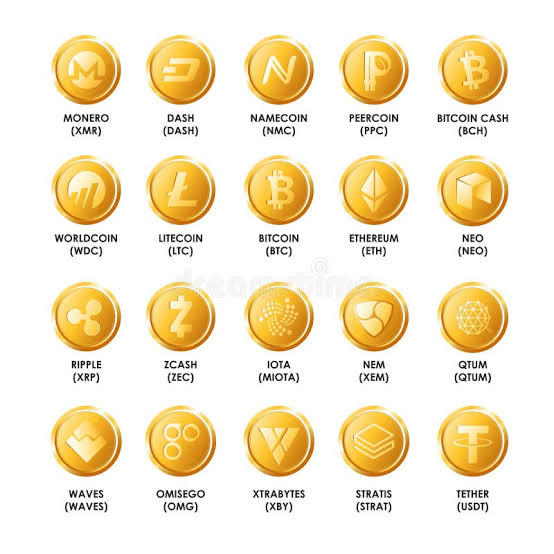
While Bitcoin transactions are pseudonymous and traceable, Monero uses Ring Signatures, Stealth Addresses, and Confidential Transactions to hide the sender, receiver, and transaction amounts, and Zcash allows users to choose between transparent and shielded transactions WTNH.com.
4. Innovation and Experimentation
Altcoins allow developers to explore new ideas including consensus mechanisms and governance models, expanding the boundaries of what is possible for decentralized finance WTNH. Many altcoins have adopted Proof-of-Stake or Delegated Proof-of-Stake mechanisms as more energy-efficient alternatives to Bitcoin’s Proof-of-Work.
5. Investment Strategy – Higher Risk, Higher Reward
Investors seeking outsized short-term returns may allocate to altcoins during bullish cycles, though they should be prepared for steep drawdowns if market sentiment shifts or projects underdeliver New Haven Independent. Given the volume of altcoins, some retail investors consider them to be a way to experiment with or gain exposure to digital assets despite the potential volatility WTNH.
6. Specialized Use Cases
Some altcoins revolve around a specialized ecosystem, acting as a native token that unlocks unique features or incentivizes participation within a community Patch. This includes DeFi protocols, gaming tokens, governance tokens, and industry-specific applications.
7. Accessibility and Lower Entry Price
Altcoins often have lower individual token prices, making them psychologically more accessible to retail investors who may feel Bitcoin is “too expensive” even though fractional ownership is possible.
The Bitcoin-Altcoin Relationship
Most altcoins can’t be purchased directly using fiat currencies; instead, the majority of buyers purchase some Bitcoin first, and then trade it for their altcoin of choice New Haven. This creates a symbiotic relationship where an altcoin’s value is often measured against the price of Bitcoin, so the price of altcoins could go down if Bitcoin goes down, and conversely go up if Bitcoin goes up New Haven.
Investment Approaches
Some investors use a Core-Satellite Model, allocating 70-90% to Bitcoin for stability, with the remainder spread across a handful of high-conviction altcoins, or group tokens by sector like DeFi, gaming, and infrastructure New Haven Independent.
The choice between Bitcoin and altcoins ultimately depends on individual goals: users prioritizing a self-sovereign, inflation-resistant asset often choose Bitcoin exclusively, valuing its security and network effects, while those interested in building decentralized applications, experimenting with DeFi, or minting NFTs gravitate toward smart contract platforms
 mil-in-neal-news.online
Leave a comment