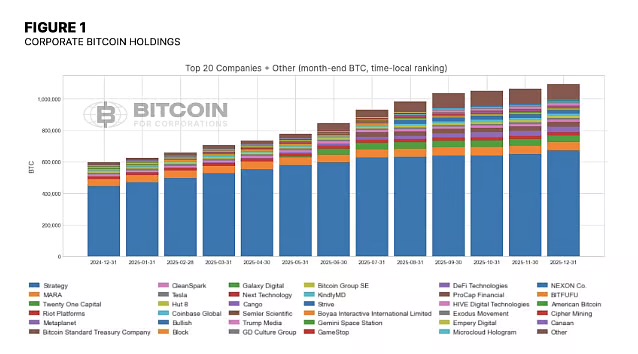
Companies use bitcoin in two main ways: as a means of payment in day‑to‑day business and as a strategic asset on their balance sheets. On the surface, this looks like simple innovation, but the deeper agenda often involves positioning for future financial power, brand differentiation, and insulation from traditional monetary risks.
Bitcoin in corporate operations
Many firms now accept bitcoin for goods and services, either directly or through payment processors, turning it into a transactionalmedium alongside fiat currency. Large retailers, airlines, tech platforms, and entertainment brands use this to tap new customer segments, reduce cross‑border payment friction, and signal that they are forward‑looking and tech‑savvy.
At the same time, bitcoin is integrated into business models in more structural ways, especially for crypto‑native companies and miners. Exchanges, payment companies, and mining firms treat bitcoin not only as inventory or product but as a strategic resource that underpins their services and aligns their corporate identity with the broader digital asset ecosystem.
Bitcoin as a treasury asset
A growing number of public companies hold bitcoin as part of their corporate treasury, effectively treating it as “digital gold” or an alternative reserve asset. High‑profile adopters have accumulated sizable BTC positions, sometimes using debt or equity issuance to do so, turning their shares into leveraged bets on bitcoin’s long‑term appreciation.
For non‑crypto firms, the stated rationale usually combines diversification, inflation hedging, and a search for higher‑conviction stores of value than cash in a low or negative real‑yield environment. In practice, this strategy shifts part of the company’s financial risk from interest rates and currency devaluation toward bitcoin’s extreme price volatility, which can dramatically affect reported earnings and market valuation.
The agenda behind hoarding bitcoin
Corporate hoarding of bitcoin often reflects a deliberate power and narrative strategy rather than mere speculative enthusiasm. By amassing large holdings, companies can increase their exposure to a scarce digital asset, hoping to front‑run broader institutional adoption and capture disproportionate upside if bitcoin continues to monetize as a global store of value.
Hoarding also serves as a branding and signaling device: leadership teams frame bitcoin accumulation as evidence of conviction, innovation, and alignment with a future, more decentralized financial order. This can attract investors who want bitcoin exposure via traditional equities, deepen loyalty among crypto‑friendly customers, and enhance executive influence within the digital asset policy and industry discourse.
Risks, critiques, and broader implications
Critics argue that corporate bitcoin hoarding can distort both equity markets and the underlying crypto market, as a handful of firms concentrate substantial holdings and tie their stock prices tightly to bitcoin’s cycles. This concentration raises questions about systemic risk, governance, and whether boards are truly acting in the long‑term interest of diversified shareholders rather than following charismatic executives or speculative trends.
Nonetheless, corporate use and accumulation of bitcoin signal an ongoing experiment in how private entities can reshape monetary exposure and financial infrastructure. Whether this becomes a durable new model for corporate finance or a cyclical phenomenon tied to crypto bull markets will depend on regulatory responses, macroeconomic conditions, and bitcoin’s ability to sustain its narrative as a reliable digital store of value.
These are opinions and don’t represent HearsayOnlineCo ©️©️™️ and its subsidiaries